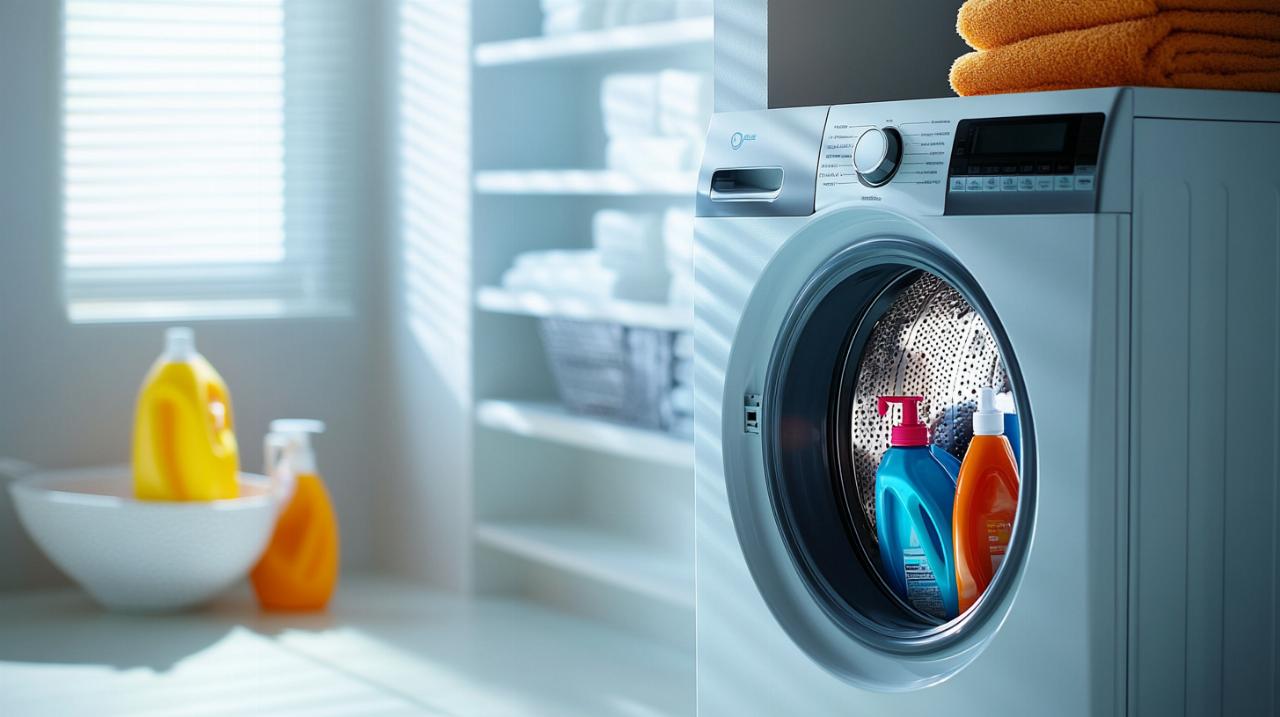
Using your front-loading washing machine effectively starts with understanding how to navigate its various features, particularly the often-overlooked drawer system. Mastering the correct use of these compartments not only ensures cleaner laundry but also extends the life of your appliance by preventing unnecessary blockages and malfunctions. Many people find themselves confused by the symbols and sections, leading to common mistakes that can affect washing performance.
Understanding your front load washing machine drawer
The drawer on your front-loading washing machine is thoughtfully designed to dispense different cleaning products at the right moment during the wash cycle. Familiarising yourself with its layout is the first step toward achieving optimal results with every load. This component plays a crucial role in ensuring that detergents and conditioners reach your garments precisely when needed, rather than being washed away prematurely or dispensed too late.
Locating and Identifying the Detergent Compartments
Typically positioned at the front of your washing machine, the detergent drawer slides out easily for convenient access. Most front-loading models feature three distinct sections, each serving a specific purpose in the washing process. The detergent compartment for front load washing machine is usually the largest section and is where you will place your cleaning agent for the majority of your washes. Identifying these compartments correctly from the outset prevents the frustration of discovering midway through a cycle that your clothes are not being cleaned properly.
Decoding the Different Sections and Their Symbols
Understanding the symbols marked on each compartment eliminates guesswork and ensures you are using your machine as intended. The compartment labelled with a Roman numeral one or the letter I is designated for pre-wash detergent, which is particularly useful for heavily soiled garments that benefit from an initial treatment. The section marked with a two or II is for the main wash, where your primary detergent should be placed for standard cleaning. Finally, the compartment adorned with a flower symbol or sometimes an asterisk is reserved for fabric softener, which is released during the final rinse cycle to leave your clothes feeling soft and smelling fresh. Some machines also feature a small flap within the main wash section that should be positioned down for liquid detergent and up for powder, ensuring proper dispensing based on the product type you choose.
Selecting and Measuring the Correct Detergent
Choosing the right detergent and using the appropriate quantity are fundamental to achieving clean laundry without wasting product or damaging your machine. The type of detergent you select and the amount you use can significantly impact both the cleanliness of your clothes and the efficiency of your washing machine over time. Understanding these factors helps you make informed decisions that benefit both your wardrobe and your household budget.
Choosing high-efficiency detergents for front loaders
Front-loading washing machines are engineered to use less water than their top-loading counterparts, which means they require specially formulated high-efficiency detergents. These products produce fewer suds while still delivering powerful cleaning action, preventing excessive foam that could interfere with the machine's operation or leave residue on your garments. Liquid detergent is particularly advantageous because it dissolves more readily than powder, especially when washing in cold water, which is increasingly popular for energy conservation and fabric care. However, if you prefer powder detergent, ensure the flap in the main wash compartment is positioned upwards to allow proper dispensing. Laundry pods or sheets offer a convenient alternative and should be placed directly into the drum, particularly if you are also using the pre-wash function, as this ensures they dissolve at the correct stage of the cycle.
Determining the Proper Amount of Washing Powder
The correct quantity of detergent depends on several factors, including the size of your load, the level of soiling on your garments, and the hardness of your water supply. For a typical seven-kilogram washing machine handling a normal load with medium water hardness, approximately one hundred and ten millilitres of liquid detergent is recommended. Always consult the packaging of your chosen detergent and your washing machine handbook, as manufacturers provide specific guidance tailored to their products and appliances. Using too much detergent is a common mistake that not only wastes product but can also lead to residue build-up inside your machine and on your clothes, while using too little may result in garments that are not thoroughly cleaned. Striking the right balance ensures efficient cleaning and prolongs the lifespan of both your textiles and your appliance.
Adding Fabric Conditioner and Closing the Drawer

Once you have added the appropriate detergent, the next step involves correctly dispensing fabric softener and ensuring the drawer is securely closed before starting your wash. These final preparations are just as important as the initial steps, as improper handling can lead to product wastage or dispensing issues that affect the quality of your laundry.
Correctly dispensing fabric softener without overloading
Fabric softener should be poured into the compartment marked with a flower symbol or asterisk, which is designed to release the product during the final rinse cycle. This timing is crucial because it allows the softener to coat the fibres of your garments without being washed away during the main cleaning phase. It is important not to overfill this compartment, as excess softener can overflow into other sections or fail to dispense properly, leading to stains on your clothes or a sticky residue inside the drawer. Measure the fabric conditioner according to the product instructions and the size of your load, erring on the side of caution if you are uncertain. Some modern machines also feature a maximum fill line within the fabric softener compartment, which serves as a helpful guide to prevent overloading.
Securing the drawer properly before starting your wash
After adding all necessary products, gently push the drawer back into place until you hear or feel it click securely. A drawer that is not properly closed can cause leaks, prevent proper dispensing, or trigger error messages on your machine's display panel. Take a moment to ensure the drawer sits flush with the front of the appliance and does not protrude, as this confirms it is correctly positioned. This simple check can save you from interruptions mid-cycle and ensures that your washing machine operates as efficiently as possible. Once the drawer is secure, you can confidently select your desired wash cycle and start the machine, knowing that your detergent and fabric softener will be dispensed at the optimal times.
Maintaining your detergent drawer for optimal performance
Regular maintenance of your detergent drawer is essential for preventing blockages and ensuring your washing machine continues to function effectively. Neglecting this aspect of appliance care can lead to unpleasant odours, poor dispensing, and even damage to internal components over time. Incorporating simple cleaning routines into your household schedule keeps your machine in top condition and your laundry fresh.
Regular cleaning schedules to prevent build-up
Aim to clean the dispenser drawer at least once a month to prevent the accumulation of detergent residue, fabric softener deposits, and mould growth. Remove the drawer completely from the machine by pulling it out as far as it will go and then pressing any release mechanism, which is often a small button or lever at the back of the compartment. Rinse the drawer thoroughly under warm running water, using an old toothbrush or small cleaning brush to scrub away any stubborn build-up in the corners and around the compartments. Pay particular attention to the fabric softener section, as this area is especially prone to sticky residue. Additionally, wipe down the cavity inside the machine where the drawer sits, as this space can also collect grime and contribute to blockages. Running an empty hot wash cycle with a dedicated washing machine cleaner every couple of months further helps to dissolve any hidden deposits within the internal dispensing system and keeps the entire appliance fresh and efficient.
Troubleshooting common drawer blockages and issues
If you notice that detergent or fabric softener is not dispensing properly, or if water remains in the compartments after a cycle, this usually indicates a blockage somewhere in the system. Start by inspecting the drawer itself for visible residue or obstructions, and clean it thoroughly as described above. Check the small holes and channels within the drawer and the machine cavity, as these can become clogged with detergent particles or limescale, particularly in areas with hard water. A thin wire or pipe cleaner can be useful for clearing these narrow passages. Another common issue is accidentally placing detergent in the fabric softener compartment, which can cause poor dispensing and leave residue on your clothes. If this happens, remove the drawer immediately, rinse it thoroughly, and run an empty rinse cycle to clear the system before attempting another wash. By staying vigilant and addressing issues promptly, you can avoid more serious problems that might require professional repair services or even warrant replacement parts under your product warranty.