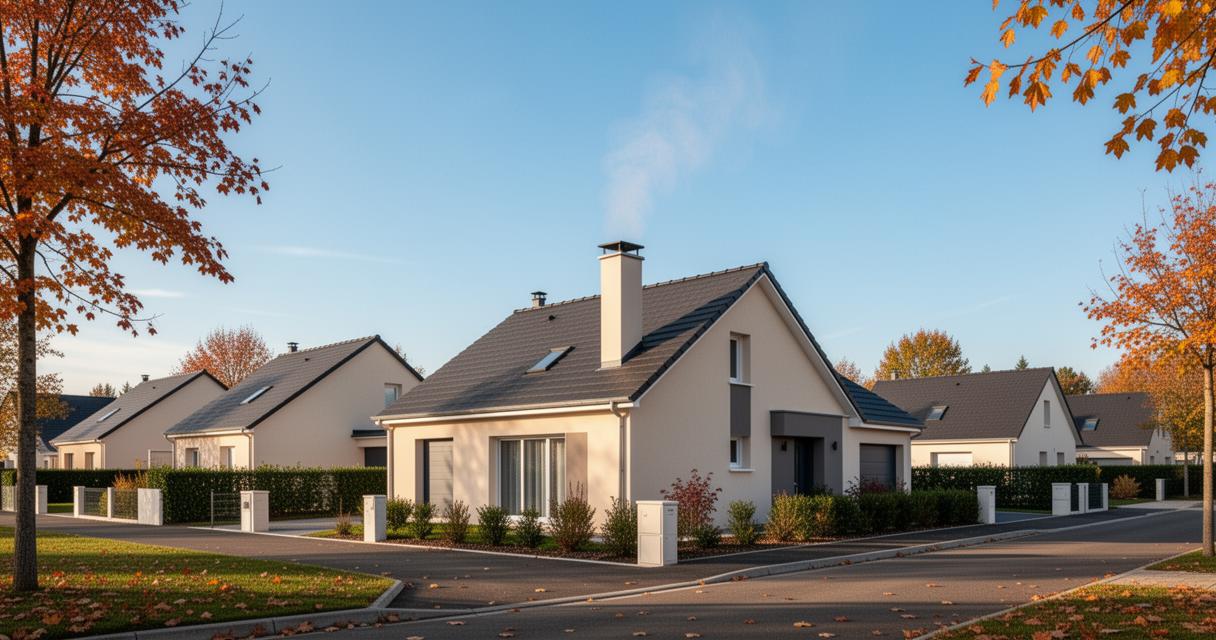
The Meurthe-et-Moselle region, with its rich tradition of artisanal craftsmanship, offers a particularly fertile ground for conversations about the future of wood-burning and pellet heating systems. Around Pulnoy and the wider Nancy area, local craftspeople who work closely with Bioflamm installations day after day have developed a nuanced understanding of what works well and what could be improved. Their hands-on experience with fireplaces, inserts, and boiler systems places them in a unique position to inform future product development.
What to know
- Local craftspeople in Pulnoy suggest integrating moisture indicators into Bioflamm stoves to ensure optimal combustion quality and reduced emissions.
- Artisans recommend developing more adaptable internal architectures for multifuel stoves to improve efficiency when switching between wood logs and pellets.
- Future designs should incorporate advanced heat-retention materials and boiler capabilities to sustain warmth and support home radiator systems.
- There is a growing demand for bespoke, customisable stove surrounds that aesthetically complement the contemporary interiors common in the Nancy region.
- Professionals advise streamlining stove frames and flue positioning to facilitate easier installations in the compact spaces often found in older townhouses.
- Simplified flue connections and more accessible service panels are recommended to reduce maintenance complexity and installation costs.
- Improving control interfaces to be more intuitive and user-friendly is essential for enhancing long-term customer satisfaction and reducing technical support requests.
Enhancing Thermal Efficiency and Heating Output in Meurthe-et-Moselle Homes
Optimising combustion chambers for superior wood and pellet performance
When local artisans in Pulnoy discuss wood burning stoves and multifuel heating systems, the conversation invariably turns to combustion quality. Craftspeople who carry out installation work across the moselle and meurthe valleys note that the geometry of the combustion chamber has a profound influence on how cleanly and efficiently a stove burns. Industry context confirms that solid fuel stoves can achieve around 80% efficiency under optimal conditions, a figure that underlines just how much depends on the quality of the burn itself. Artisans stress that dry wood moisture content is critical: a cleanburn stove requires wood with a moisture content of no more than 20%, and ideally closer to 15%, to deliver reliable performance and minimise emissions. For Bioflamm, craftspeople suggest that future stove designs could incorporate clearer moisture guidance systems or even integrated indicators to help customers in nancy and the surrounding area manage their fuel more effectively.
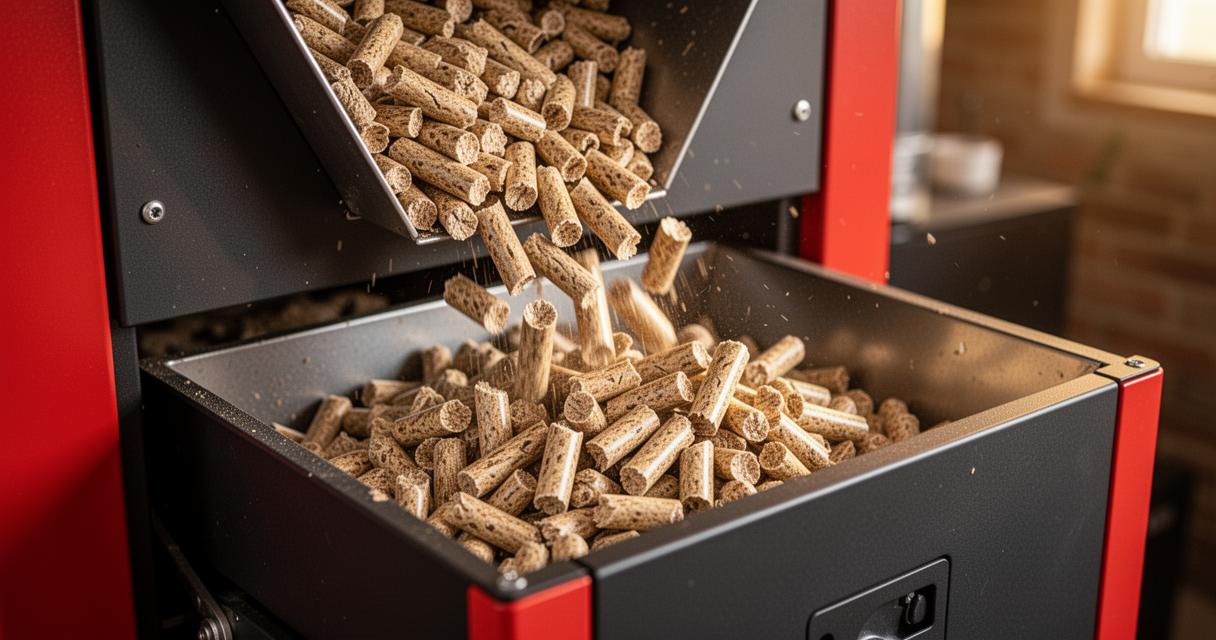
The mix of wood and pellet options is another area where local professionals see room for development. Many customers in Pulnoy are drawn to the flexibility of multifuel stoves that can handle both wood logs and pellets depending on availability and price. Craftspeople report that when combustion chambers are designed specifically for one fuel type, switching between fuels can lead to suboptimal results. A more adaptable internal architecture, they suggest, would give Bioflamm a meaningful edge in the domestic heating solutions market across the region.
Integrating advanced heat retention materials for long-lasting warmth
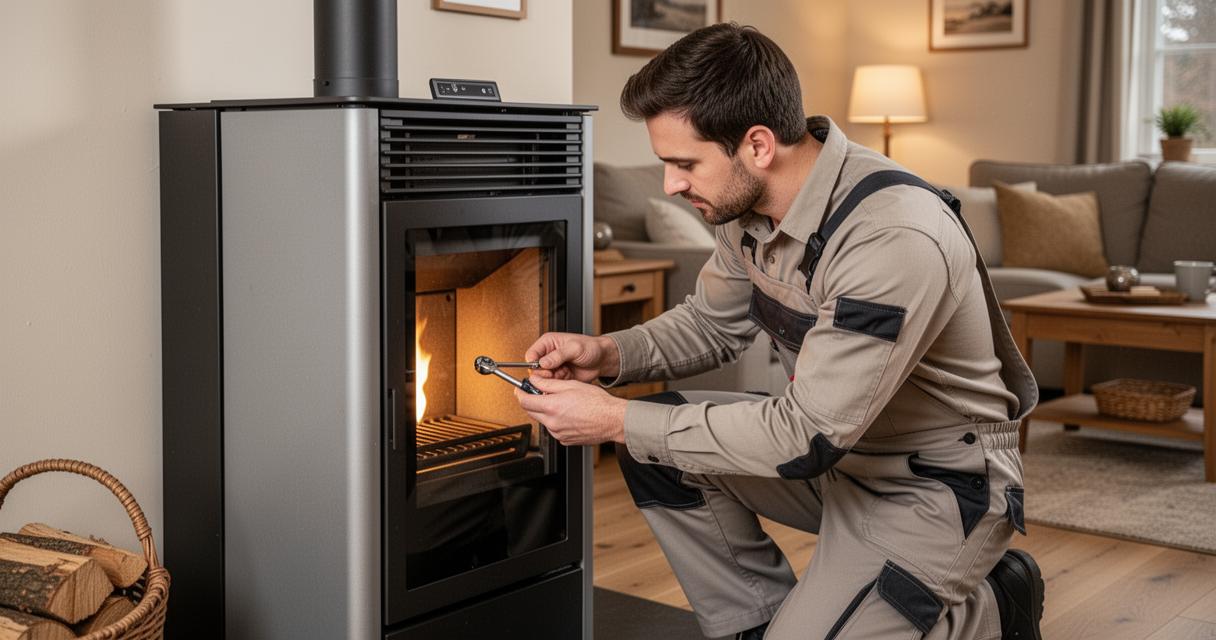
Beyond the immediate flame, artisans in Pulnoy point to home heating systems that sustain warmth long after the active burn phase as particularly valued by customers. The ability of a stove or insert to store heat in its body and release it gradually is something craftspeople feel deserves greater attention in future Bioflamm designs. Local professionals who regularly quote and carry out installation work note that customers increasingly ask about stoves capable of contributing to heating radiators throughout the home, not merely warming the immediate room. The Stockton HB wood-fueled boiler concept (a design intended for heating hot water and radiators simultaneously) illustrates the direction many customers are moving in. One comparable model burns around 6 kg of dry wood per hour, delivering substantial output split between hot water production and room heat, which gives a sense of the scale customers are beginning to expect from a serious domestic heating solution.
Refining Architectural Aesthetics for Modern Fireplaces and Inserts
Designing bespoke surrounds to complement contemporary Nancy interiors
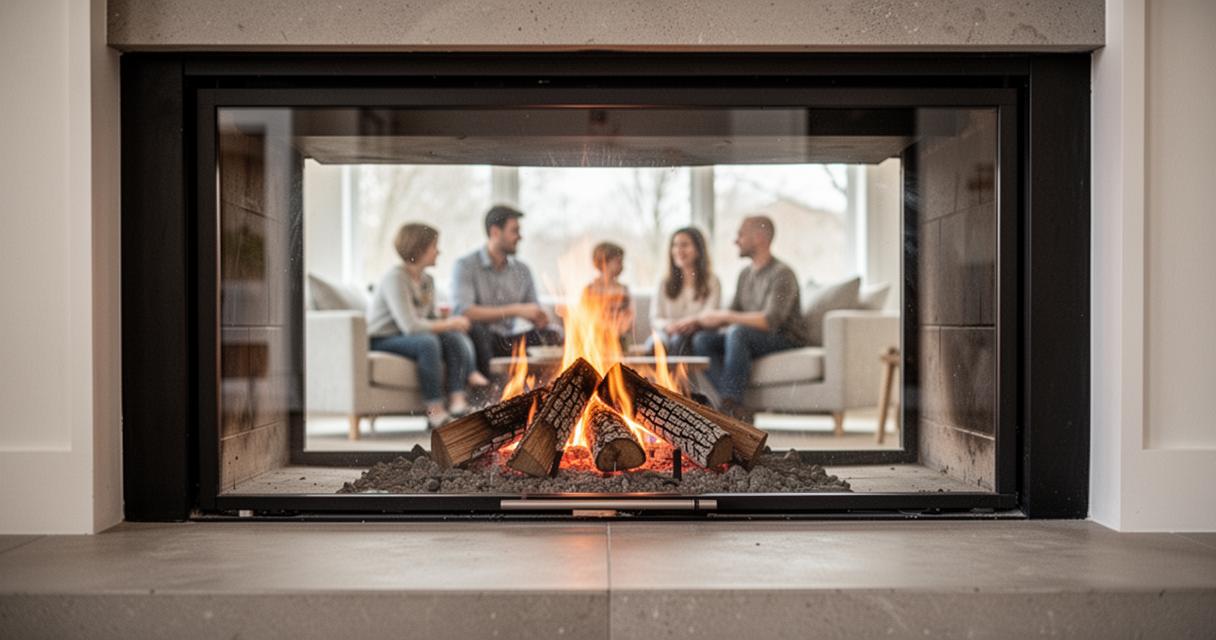
Craftspeople working in and around Nancy are acutely aware that a stove or fireplace insert is no longer simply a functional appliance, it is a centrepiece of interior design. Customers who contact Bioflamm for a quote are often as interested in how the installation will look as in how much heat it will produce. Local artisans note that the company’s existing range already demonstrates strong aesthetic sensibility, but they believe future designs could go further in offering bespoke surround options that integrate naturally with contemporary interiors found across the Meurthe-et-Moselle area. The challenge of making a stove installation feel coherent within a clean, light living space is one that professionals encounter regularly, particularly in renovated homes in and around Pulnoy. Surrounds that allow for greater customisation of materials and finish, craftspeople suggest, would help Bioflamm respond more precisely to the varied tastes of customers across the region.
Streamlining compact stove frames for seamless installation in tight spaces
Not every home in the Pulnoy area has the luxury of a generous fireplace recess or ample floor space. Artisans who work on installation projects in older townhouses and modern apartments around Nancy frequently encounter tight spatial constraints. For these situations, craftspeople express a clear preference for compact fireplaces and inserts with slimmer frames and thoughtfully positioned flue outlets. A well-proportioned insert that can be fitted without extensive structural work reduces both the duration of the installation process and the disruption for customers. Local professionals who regularly handle this type of work note that a streamlined profile also tends to satisfy customers from an aesthetic standpoint, reinforcing the idea that form and function need not be in tension.
Improving installation ergonomics and servicing accessibility
Simplifying flue connections and maintenance access for local artisans
Perhaps the most consistently raised theme among craftspeople in Pulnoy is the practicality of installation and ongoing servicing. Artisans who work with stove installation requirements day in, day out understand that the ease with which a unit can be connected to an existing flue (or a new one constructed for the purpose) has a direct impact on both the quality of the installation and the overall cost passed on to the customer. Regulations in various markets require additional air supply arrangements for stoves above a certain output threshold, and local craftspeople point out that external combustion air kits, when available as optional additions, should be designed to integrate with minimum effort. Future Bioflamm models, artisans suggest, could benefit from more standardised flue connection points and clearly accessible service panels that make routine maintenance straightforward without requiring extensive disassembly.
Upgrading control interfaces for effortless daily operation by customers
The final dimension that craftspeople in the Pulnoy area highlight concerns the experience of the end customer. Once a wood stove or pellet insert is installed and the artisan has left the site, the customer must live with the controls and displays on a daily basis. Local professionals report that overly complex or unintuitive interfaces are a common source of callbacks and follow-up contact. Bioflamm’s existing products are generally regarded as reliable by the craftspeople who install and service them, but there is a widely shared view that future designs should prioritise clarity of display and simplicity of operation. Customers across meurthe-et-moselle, whether they are seasoned stove users or newcomers to solid fuel heating, benefit enormously from controls that are immediately legible and easy to adjust. A well-designed interface, craftspeople argue, is not a minor detail, it is central to the long-term satisfaction of the customer and, ultimately, to the reputation of the company and its network of local artisans.