
Road safety has long been a pressing concern for communities, planners, and governments alike. As traffic volumes continue to grow and urban areas expand at pace, the physical infrastructure designed to protect people on and around roads has never been more important. Among the most consequential elements of that infrastructure, safety barriers have emerged as a defining feature of modern road design, quietly but decisively shaping how accidents unfold, how communities feel about their streets, and how local authorities approach accident prevention at every level.
The essentials
- Safety barriers are essential infrastructure that significantly reduce traffic accidents while improving community wellbeing and the perception of safety.
- Road planners must choose between rigid, semi-rigid, and flexible barrier systems based on specific factors like traffic speed, space constraints, and impact energy requirements.
- Beyond vehicle containment, specialized barriers are crucial for protecting vulnerable road users, such as pedestrians and cyclists, in high-traffic zones like schools and city centers.
- Effective infrastructure management requires balancing technical engineering data with qualitative insights from residents to accurately identify and address local high-risk zones.
- Modern safety barrier design is shifting toward smart technology, incorporating sensors that enable real-time incident reporting and improved emergency response times.
- Sustainability is becoming a priority in infrastructure, with a growing focus on using recycled materials and eco-friendly designs that minimize the environmental footprint of road protection systems.
The Growing Role of Safety Barriers in Modern Road Infrastructure
Across the world, the relationship between road infrastructure and community wellbeing is receiving renewed attention. Research into road safety enhancements and their effects on local populations has consistently found that well-designed infrastructure leads to significant reductions in traffic accidents and injuries, as well as enhanced perceptions of safety among residents. Beyond the immediate physical benefits, safer roads have also been linked to improvements in community cohesion and increased economic activity in the areas they serve. These findings carry clear implications for how infrastructure investment is prioritised, particularly at the local level where the consequences of road incidents are felt most acutely.
From Urban Streets to Rural Roads: Where Barriers Make the Greatest Difference
The need for effective safety barriers is not confined to motorways or major arterial routes. In urban environments, barriers play a vital role in separating pedestrian zones from moving traffic, managing the flow of cyclists, and protecting shopfronts, schools, and public spaces from the risk of vehicle incursion. In rural settings, the challenges are different but no less serious. Narrow country lanes, poorly lit junctions, and roads that wind through challenging terrain all present heightened risks, particularly at night or in adverse weather. The road network management strategies employed in rural areas must therefore account for these distinct conditions, selecting barrier types and placements that reflect the specific geography and traffic patterns of each location.
Globally, infrastructure development faces considerable complexity when it comes to accommodating both dense urban areas and remote rural locations. Extreme environmental conditions (ranging from high temperatures to severe weather) place additional demands on barrier materials and design, underscoring the importance of solutions tailored to their setting. This context reinforces the case for investing in road safety initiatives that are sensitive to local conditions rather than applying a one-size-fits-all approach.
How advances in barrier design are keeping pace with changing traffic patterns
The design of safety barriers has evolved considerably alongside broader changes in urban mobility and traffic management. Where earlier generations of barriers were often rigid and purely functional, contemporary designs place far greater emphasis on how barriers perform across a range of impact scenarios, how they integrate with the surrounding environment, and how they serve the needs of all road users. This evolution reflects a maturing understanding of road design as a discipline: one that must balance engineering precision with community sensitivity, and long-term durability with the capacity to adapt as traffic patterns change over time.
Types of Safety Barriers and What Sets Them Apart
Not all safety barriers are alike, and the differences between them matter enormously in practice. The selection of an appropriate barrier for a given location depends on a range of factors, including the volume and speed of traffic, the proximity of pedestrians and cyclists, the available space, and the visual character of the surrounding area. Understanding these distinctions is essential for anyone involved in urban planning or transport governance, since the wrong choice can undermine both safety outcomes and community acceptance.

Rigid, Semi-Rigid, and Flexible Barriers: Choosing the Right Protection for Each Setting
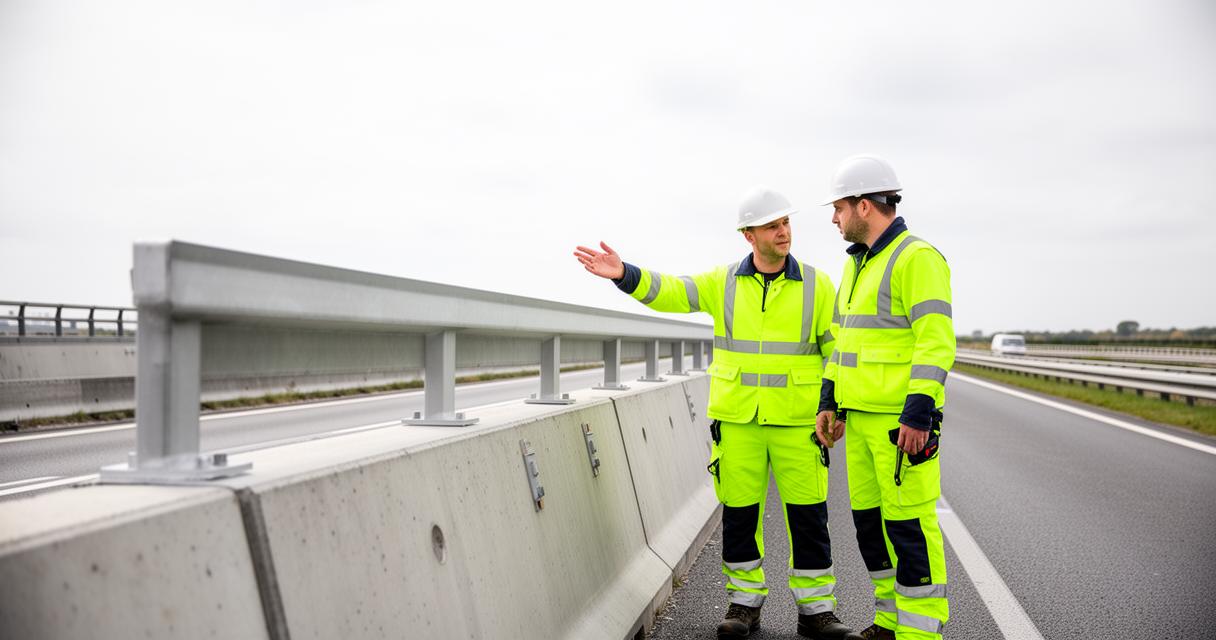
The three principal categories of vehicle restraint barrier (rigid, semi-rigid, and flexible) each offer a different balance of containment strength, deflection, and working width. Rigid barriers, such as concrete systems, provide high containment and minimal deflection, making them well suited to locations where there is little room for a vehicle to move laterally during an impact, such as on elevated structures or beside deep drops. Semi-rigid barriers, including steel beam systems, offer a middle ground, absorbing energy through controlled deformation while still containing vehicles effectively. Flexible barriers, such as wire rope systems, allow more deflection but can perform well on roads with generous verges and lower traffic speeds, offering a less visually imposing presence in rural or semi-rural settings.
The choice between these systems is rarely straightforward. It requires careful analysis of site-specific data, an understanding of safety standards applicable in the relevant jurisdiction, and a willingness to engage with the communities whose daily lives will be affected by the installation. Getting that choice right is a cornerstone of effective road safety practice.
Pedestrian and Cyclist Safety Barriers: Addressing the Needs of Vulnerable Road Users
Alongside vehicle containment systems, barriers designed specifically to protect pedestrians and cyclists form an increasingly important part of the transportation safety toolkit. These barriers serve a dual purpose: they shield vulnerable road users from moving traffic, and they help to define safe routes through busy or complex environments. In school zones, town centres, and areas with high footfall, well-placed pedestrian barriers can make a profound difference to the sense of safety experienced by residents, particularly among children, the elderly, and those with mobility considerations.
The design of these barriers must balance robustness with accessibility. Barriers that obstruct sight lines or create pinch points for wheelchair users and those with pushchairs can inadvertently reduce safety by pushing pedestrians into less protected areas. Thoughtful design, informed by genuine community engagement, is therefore essential to ensuring that public road safety improvements deliver their intended benefits to all members of the community.
How Safety Barriers Directly Reduce the Severity of Road Incidents
The primary function of a safety barrier is to intervene at the moment a vehicle departs its intended path, redirecting it, containing it, and reducing the energy of impact in a controlled way. When a barrier performs as intended, the difference in outcome for the vehicle’s occupants, for other road users, and for anyone in the surrounding environment can be profound. Understanding how this process works helps to explain why infrastructure investment in barriers is so consistently supported by evidence on traffic accident reduction.
Containing Vehicles and Minimising the Risk of Secondary Collisions
When a vehicle loses control, the risk does not end with the initial incident. A vehicle that crosses into oncoming traffic, rolls into a pedestrian area, or strikes a roadside obstacle creates secondary hazards that can multiply the harm caused by a single event. Safety barriers are specifically engineered to interrupt this chain of consequences. By redirecting a vehicle back towards the carriageway in a controlled manner, they reduce the likelihood of secondary collisions and limit the zone of risk to a manageable area. This containment function is particularly valuable on high-speed roads and at locations where the consequences of a vehicle leaving the carriageway would otherwise be severe, beside waterways, on steep embankments, or in areas of dense pedestrian activity.
Protecting roadside communities, schools, and public spaces
Beyond their role in managing the physics of road incidents, safety barriers serve a broader protective function for the communities that live and work alongside roads. Schools, in particular, represent locations where the stakes are exceptionally high and where the reassurance provided by physical barriers is as important as their engineering performance. Research into road safety enhancements has found that residents consistently report enhanced perceptions of safety and wellbeing when better road infrastructure is installed in their communities, a finding that speaks to the psychological as well as the physical dimensions of community safety.
Market squares, parks, outdoor dining areas, and other public spaces situated close to roads also benefit significantly from well-designed barrier installations. As urban infrastructure continues to evolve in response to changing patterns of movement and land use, the integration of protective barriers into the design of public spaces is becoming an increasingly standard expectation rather than an optional extra.
Local councils and road planners: integrating barriers into community safety strategies
The effectiveness of any safety barrier is ultimately determined not just by its engineering characteristics but by how well it is integrated into a broader community safety strategy. Local councils and road planners play a central role in this process, acting as the bridge between technical expertise and community need. Their decisions about where to install barriers, which systems to specify, and how to manage the installation process have lasting consequences for the safety, appearance, and usability of the roads in their charge.
Working With Residents and Stakeholders to Identify High-Risk Zones
Effective road network management begins with accurate identification of the locations where intervention is most urgently needed. This requires a combination of quantitative analysis (drawing on accident data, traffic counts, and speed surveys) and qualitative engagement with residents and community stakeholders who understand the lived reality of local roads. Community members often have detailed knowledge of near-miss incidents, problematic junctions, and routes used heavily by schoolchildren that may not be fully captured by official data. Incorporating these perspectives into the planning process strengthens the case for investment and helps to ensure that the resulting installations address the most pressing concerns.
Governance frameworks that support this kind of collaborative approach to transport governance are increasingly recognised as a critical factor in the success of road safety programmes. Where clear lines of responsibility exist and community voices are genuinely heard, the quality of infrastructure decisions tends to improve, as does public trust in the systems designed to protect them.
Balancing functionality, aesthetics, and cost when planning barrier installations
Road planners face a constant tension between the demands of functionality, visual impact, and budget. A barrier that meets every technical requirement but creates an oppressive visual environment in a residential street may generate community resistance that undermines its long-term effectiveness. Equally, a visually sympathetic solution that falls short on containment performance offers only an illusion of protection. Finding the right balance requires a clear understanding of priorities, honest dialogue with communities, and a willingness to invest in solutions that are genuinely fit for purpose rather than simply the most economical option available.
The long-term costs of inadequate road safety investment (in lives affected, in emergency service responses, in legal liability, and in the broader social and economic impacts documented by research on community welfare) consistently exceed the upfront costs of well-planned barrier installations. Making this case compellingly to decision-makers is one of the most important tasks facing road safety advocates at every level of urban planning.
The Future of Safety Barriers and What It Means for Road Safety
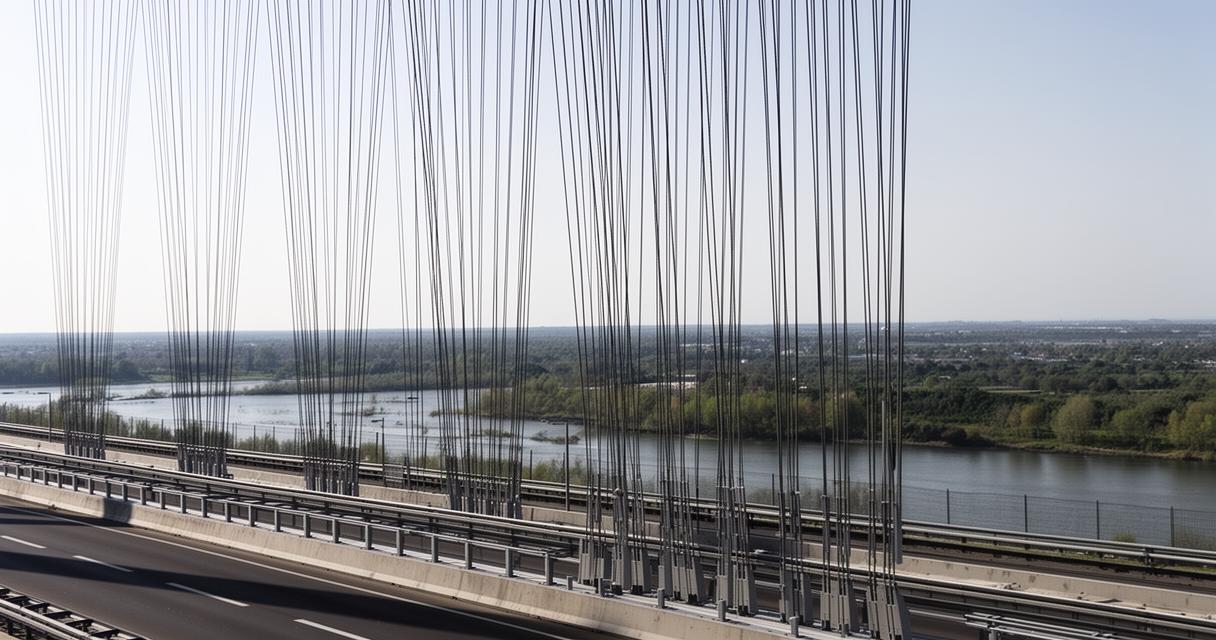
The story of safety barriers is far from complete. Technological innovation, changing patterns of urban movement, and growing awareness of environmental responsibility are all reshaping the field, opening up new possibilities for how barriers can contribute to road safety in the years ahead. For communities, planners, and engineers alike, keeping pace with these developments is an ongoing challenge and an ongoing opportunity.
Smart Barriers and Connected Infrastructure: The Next Step in Road Protection
The integration of digital technology into road infrastructure is creating new possibilities for how safety barriers function and communicate. Smart transportation systems that connect barriers to traffic management centres, emergency services, and vehicle guidance systems represent a significant step forward in the capacity to respond to incidents in real time. A barrier equipped with sensors that can detect an impact and immediately alert emergency services, or that can communicate its structural condition to maintenance teams before failure occurs, offers a qualitatively different level of protection compared to passive systems alone.
These developments are part of a broader shift towards connected infrastructure in which the various components of the road network communicate with one another to improve safety, efficiency, and resilience. As this technology matures and becomes more widely deployed, its implications for accident prevention are likely to be substantial, particularly at the high-risk locations where the consequences of a delayed emergency response are most severe. The challenge for transport governance will be to ensure that the benefits of these innovations are distributed equitably across communities, rather than being concentrated in areas that already have strong infrastructure investment.
Sustainable materials and eco-friendly approaches shaping tomorrow’s road safety solutions
Alongside the technological frontier, the materials from which safety barriers are made are undergoing significant change. The growing emphasis on sustainable transport and environmental responsibility is driving demand for barrier systems that minimise their carbon footprint, incorporate recycled materials, and can themselves be recycled or repurposed at the end of their service life. This shift reflects a broader recognition that road safety and environmental sustainability are not competing priorities but complementary ones, and that the infrastructure choices made today will shape both the safety and the environmental legacy of our road networks for decades to come.
Innovative approaches to barrier design are also exploring how structures can serve multiple functions (incorporating drainage channels, supporting vegetation, or providing visual screening) in ways that enhance their value to surrounding communities while reducing the overall material and spatial footprint of road safety infrastructure. For urban planners and local authorities working within constrained budgets and demanding sustainability targets, these multi-functional solutions represent an increasingly attractive path forward in the ongoing effort to make roads safer, greener, and more genuinely responsive to community welfare.